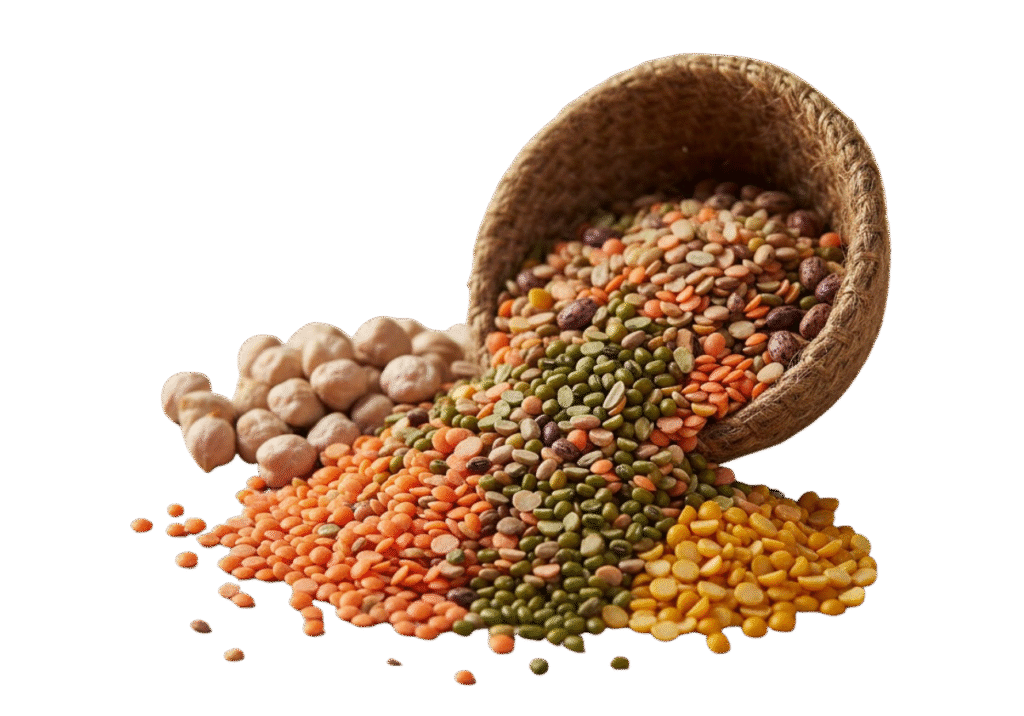
In pulses manufacturing, cleaning and grading are not optional steps—they define the final quality of dal. Many customers only compare price, but experienced buyers know that true value lies in purity, consistency, and safety. This is why professional processing makes a visible difference when choosing a reliable dal mill near me or the best dal in Durg.
Indian food culture is deeply emotional. Dal is not just protein on a plate—it is comfort, habit, and memory. At the same time, today’s consumers expect hygiene, consistency, and safety. The real challenge for any responsible dal manufacturer in Durg is not choosing between tradition and technology, but balancing both without compromise.
The authentic taste of dal depends on:
Properly matured pulses
Natural moisture balance
Minimal and controlled polishing
Excessive processing can make dal look attractive but flatten its taste. That is why, even with modern machinery, we respect traditional principles—letting the grain retain its natural character. This is what customers recognize when they search for the best dal in Durg.
Traditional methods alone cannot meet today’s safety and volume needs. Modern processing helps eliminate:
Stones, dust, and metal particles
Insect-damaged and fungus-affected grains
Batch-to-batch inconsistency
A professional dal mill near me uses advanced cleaning, grading, and sorting to deliver purity that traditional hand methods simply cannot achieve at scale.
Taste is often lost due to aggressive milling. Our approach is different:
Milling pressure is calibrated to reduce breakage
Husk removal is optimized, not rushed
Polishing is kept minimal
This ensures that toor dal near me and moong dal in Durg cook evenly, absorb water properly, and retain their natural aroma—just like home-processed dal, but safer.
Many consumers worry that “factory-made” dal loses its soul. Hygiene does not mean over-processing. It means:
Clean floors and covered conveyors
Food-grade contact surfaces
Trained staff and batch discipline
This invisible discipline is why reputed pulses shop in Durg owners trust organized manufacturers over loose, untracked supply.
Traditional kitchens cooked dal by intuition. Today, homes, hotels, and caterers need predictable results. Balanced processing ensures:
Same cooking time every batch
Same texture and taste
Less wastage and complaints
Consistency is not against tradition—it protects it in modern usage.
Indian households still judge dal by:
Taste after tempering
Texture after pressure cooking
Aroma during boiling
Modern processing is designed around these cultural checks, not against them. That is why buyers searching for a trusted dal manufacturer in Durg often stay loyal once they find the right balance.
Traditional taste is preserved by respecting the grain. Modern processing is required to protect the consumer. When both work together, the result is dal that feels familiar, cooks reliably, and meets today’s hygiene standards.
That balance—between memory and machinery—is what truly defines quality dal.